

Fracking U
music mindfullnessly

Let me frack your attention for a minute. Eyeballs, ears, attention, fracking. This is the nature of the economics of being online and using the internet to consume culture with. Every second you spend looking or listening to someone online feeds them. Your mind has been fracked and the coercive digital technologies did it for you.
That is the language presented by SoRA - the School of Radical Attention. Established in 2023 in New York, SoRA gives classes and group activities for all ages, often at no cost, in the evenings and weekends aimed at getting participants to care better for themselves, the people around them and our world through being less distracted and more in tune. The design and presentation deliberately nods towards older communities who set out to respond to technological change (think the Transcendentalists, the Arts and Crafts movements and even I guess the Solar Punks over the last few decades) and their point is that in our Big Tech age, getting together and doing things irl is fundamentally political because it is offline. Unfracked. They are however eager to distinguish themselves from Neo-Luddites and say they aren’t anti-screens/internet, we just need to be doing this on our terms and not those of a few world dominating corporations.
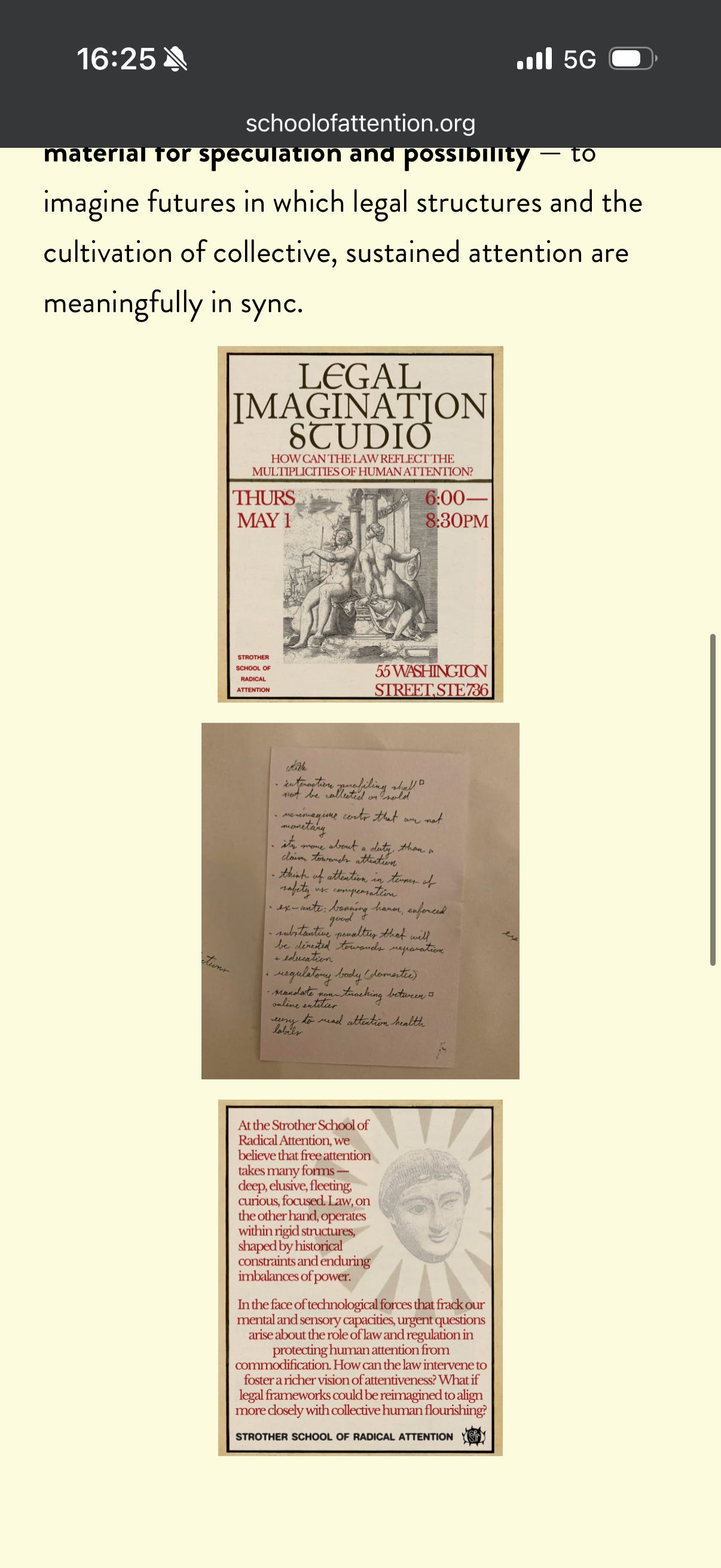
Reading about SoRA the week after I returned from a Buddhist retreat at the end of April felt timely. Scanning over the list of classes they had run they seemed to be very rooted in the things we had been doing on the retreat. Learning how to better live in the present without distraction, and how to relate to the past and the future in solid, positive ways, rather than problematic ways that set us up for a harder time in life. Over the week I spent a lot of time considering why I do what I do, how I do it and the flow states that I have been able to achieve doing it. We did workshops on deep listening and then applied it to how we talked and heard and responded in groups and one-on-ones. It made me think about my own listening patterns and where I choose to really give myself to the person or music. If you think the language that SoRA are presenting has some truth in it then let’s do a little thought experiment. This is about listening to music and while it applies to how we listen to each other I’d like to use music to explore what’s happening here.
When I’m in a record store and I have a pile of 20 records to skim through I am listening with a strategy - I want to hear a particular approach from the artist to production, rhythm, the small things that communicate to me their way of making music and I have a list of things I use to identify that within a few seconds or bars of a track. This is very active listening but in a fast, superficial way. Next let’s think about a radio in a taxi. I tune in and tune out according to what’s on and my state of mood. The radio is, in a way, designed to function as background noise that you can choose to elevate and give your attention to if you’d like to. This is, in its nature, not particularly active listening.
A certain elder in my family never allowed music to be on during meal times because it was an insult to that music, it relegated it to background noise. They believed that all music should be attentively engaged with and there’s a part of me that likes that - it sifts the world of music to a place where we get the good stuff or we get to pay attention to something else. Putting on a record or CD - something physical and chosen by us - creates the space to pay full attention to it and to be totally present, “lost” in it.
Next consider streaming from a DSP (Apple, Spotify, Youtube etc) - are we listening to it like the radio or the record?
I’m not totally sure but I find its often closer to the radio. And I generally don’t use the algorithm, if one does then it’s much closer to the radio, almost beyond it as there isn’t a someone choosing the next track but a merging of database, machine and human. What is that? Essentially it is the fracking of my ears. We all know how the economic model works with a DSP, and this model determines this fracking - it’s the only way anyone gets paid their less than 1 pence. Although there are times when I’m listening with all my attention, beyond that the turning of music into an endless commodity all accessible everywhere all the time means that our engagement is rendered almost meaningless. Is it possible feel passionate, a kind of ownership over your relationship to a record or an artist if the only thing you own is a subscription to Mega Corp.? As an artist myself I don’t really want to state the obvious, but I came back to it over and over again whilst looking at what SoRA is trying to do, that to pay attention to something cultural in a meaningful way we kind of do need to do it offline. It’s certainly easier.
The final example to consider is listening to music in a venue with a crowd around you. Here we have a place where we can engage, without being mined for our data (for the most part), our attention is fully our own and, I guess according to SoRA, in this world simply by doing that, we are doing something political about the current situation.
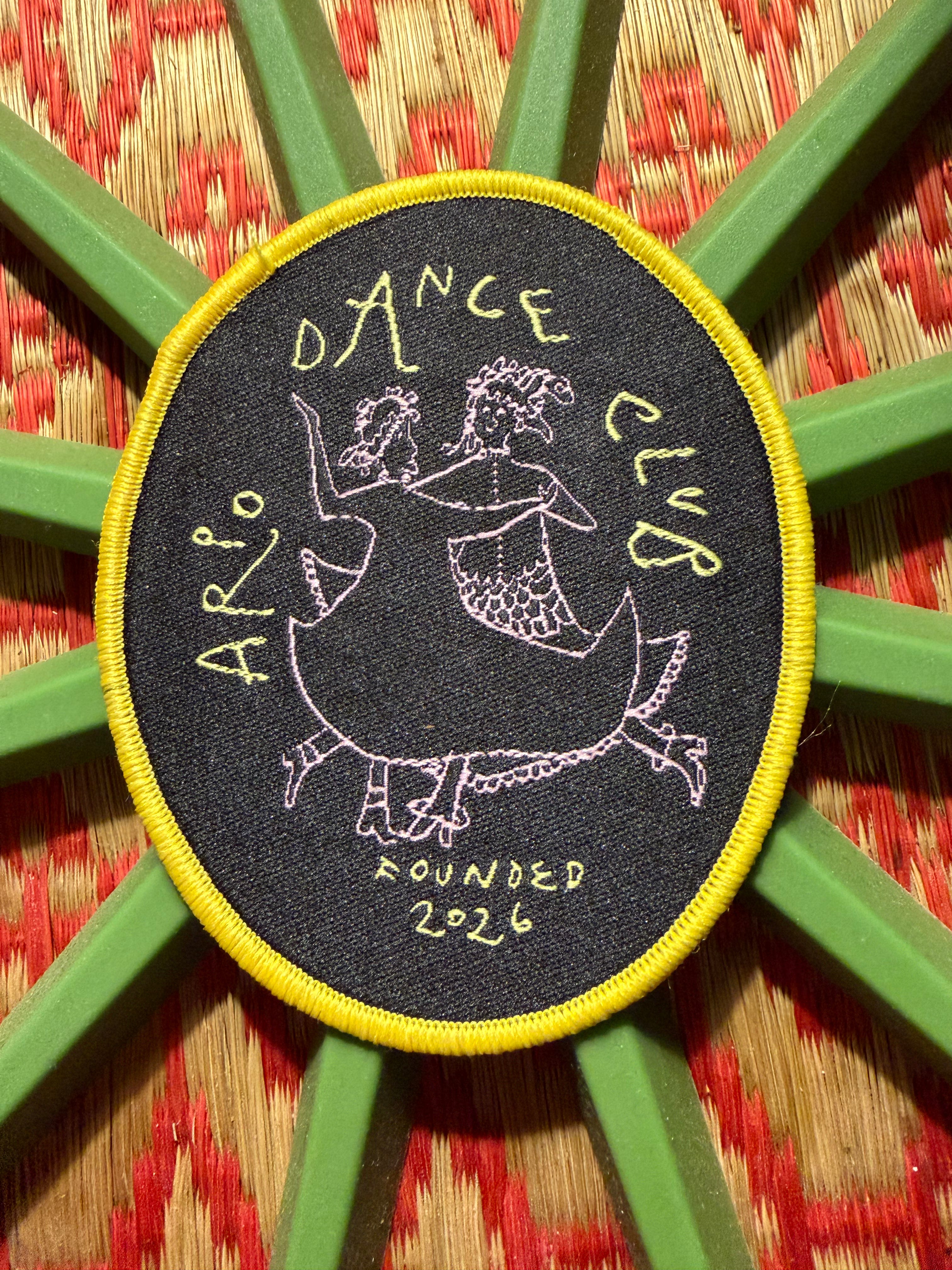
really enjoyed this framing. how can one join Arpo club ?
Love this—I really enjoy thinking about these kind of somatic responses to different listening situations and how they connect to the various parts of the mind and body.